North Island
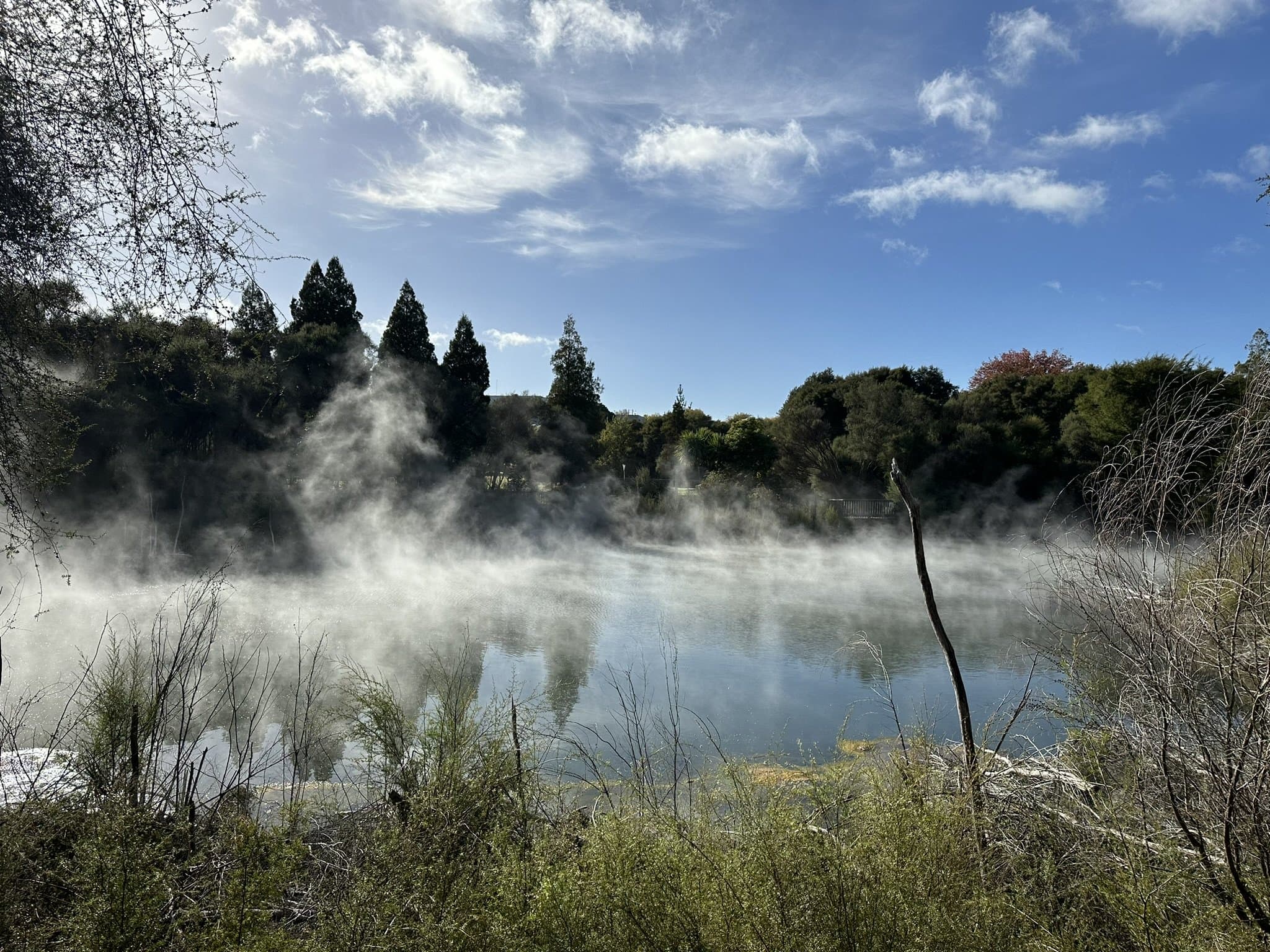
- Rotorua's geothermal parks — geysers, mud pools, and hot springs
- Māori culture, strongest around Rotorua and the central north
- Hobbiton, the Lord of the Rings movie set near Matamata
- Waitomo's glowworm caves
- The Bay of Islands — subtropical beaches and island cruising in the far north
- Tongariro National Park and its volcanoes (the Alpine Crossing)
- Wellington — the compact capital, Te Papa, and the coffee
- Warmer seas and easier swimming than the south
South Island
- Queenstown — the adventure capital, and a base for the lower South
- Fiordland — Milford and Doubtful Sounds
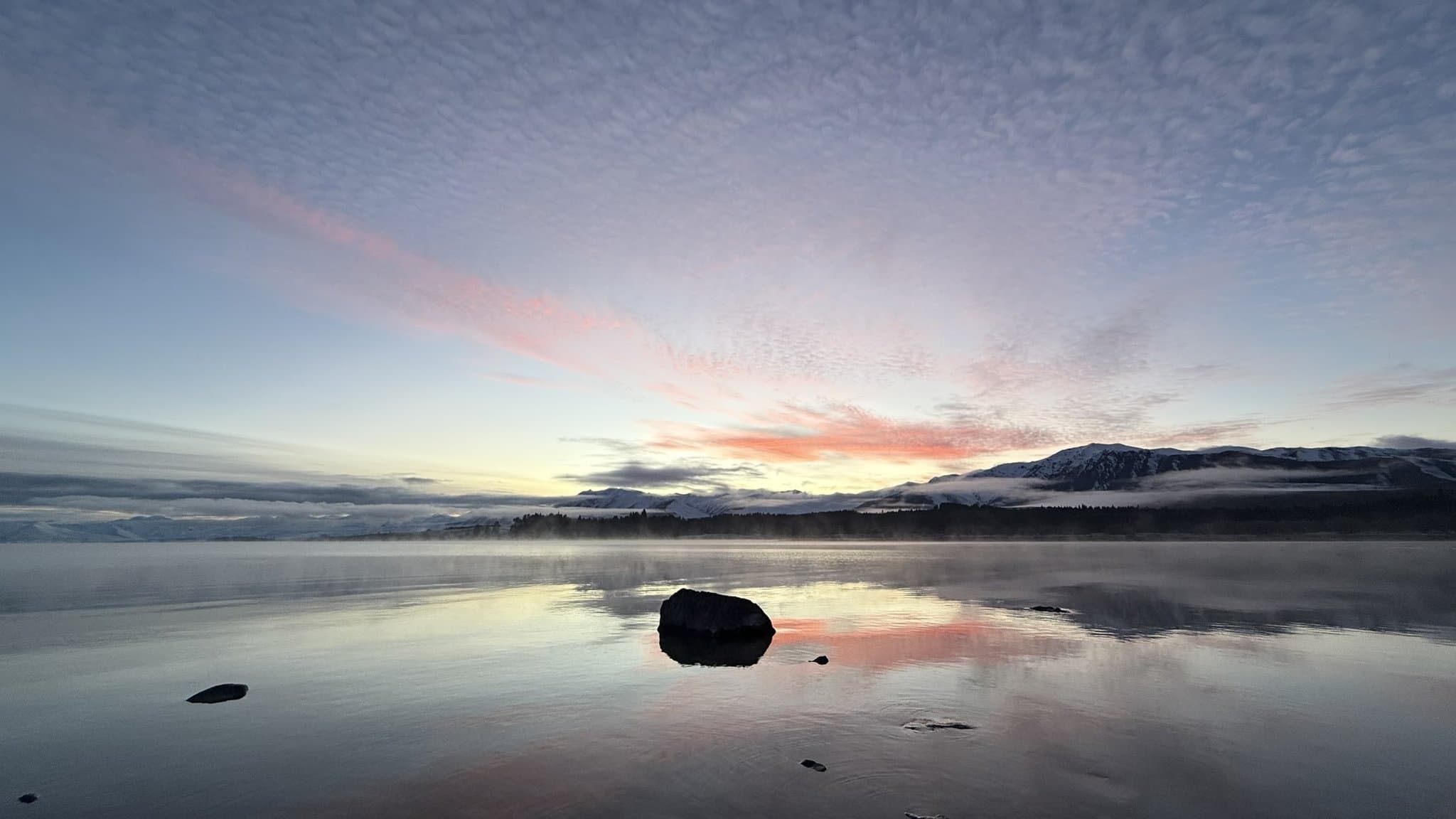
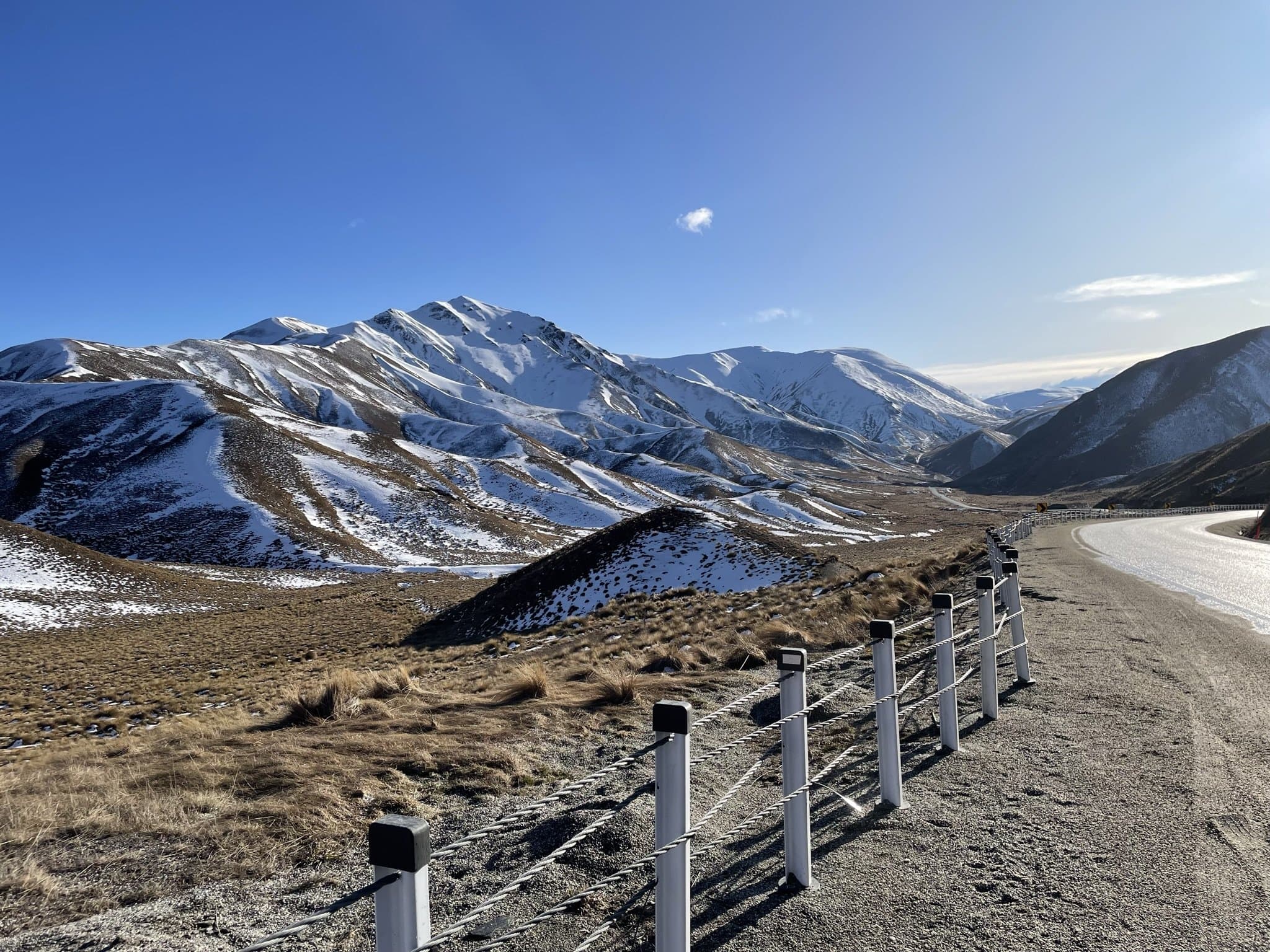
- Aoraki/Mt Cook and Lake Tekapo's Dark Sky stargazing
- Franz Josef and Fox glaciers on the West Coast
- Kaikōura — whale watching and the coast
- Abel Tasman's golden-sand coastal track
- The Otago Peninsula's albatross, penguins, and seals
- Central Otago — autumn gold, wineries, and big empty landscapes
North Island vs South Island at a glance
| North Island | South Island | |
|---|---|---|
| Signature scenery | Volcanoes, geothermal fields, subtropical coastline | Alps, fiords, glaciers, and big glacial lakes |
| Headline experiences | Rotorua geothermal parks, Hobbiton, Waitomo glowworm caves, Tongariro Alpine Crossing | Milford Sound, Aoraki/Mt Cook, Queenstown adventure sports, whale watching at Kaikōura |
| Māori culture | Strongest — especially Rotorua and the central north | Present, but a smaller part of most itineraries |
| Beaches & swimming | Warmer seas, easy swimming — best in the far north | Golden sand at Abel Tasman, but colder water |
| Climate | Milder and warmer year-round | Cooler and more alpine — snow in winter |
| Main gateways | Auckland and Wellington | Christchurch and Queenstown |
| Pick it if | You want culture, geothermal, and warm water | You want the most dramatic scenery per day |
Which island is it on?
Where New Zealand’s best-known places actually sit.
| Place | Island | Where it is |
|---|---|---|
| Auckland | North Island | Near the top; the main international gateway. |
| Rotorua | North Island | Central North Island — geothermal parks and Māori culture. |
| Hobbiton (Matamata) | North Island | The Waikato, about two hours south of Auckland. |
| Taupō & Tongariro | North Island | The central plateau, on the lake and under the volcanoes. |
| Napier | North Island | Hawke's Bay, on the east coast. |
| Wellington | North Island | The southern tip, and the ferry port for the South Island. |
| Picton & Marlborough | South Island | The top of the South Island, where the ferry lands. |
| Abel Tasman | South Island | The northwest corner, near Nelson and Motueka. |
| Kaikōura | South Island | The northeast coast, between Picton and Christchurch. |
| Christchurch | South Island | The east coast; the South Island's main airport. |
| Franz Josef & Fox glaciers | South Island | The West Coast, between Hokitika and Haast. |
| Aoraki / Mt Cook | South Island | The Mackenzie Basin, off the Christchurch–Queenstown road. |
| Queenstown & Wanaka | South Island | The Southern Lakes, in the lower South Island. |
| Milford Sound | South Island | Fiordland, reached via Te Anau. |
| Dunedin | South Island | The southeast coast, below Christchurch. |
How to choose
- Mountains, fiords, and adventure
- Geothermal, Māori culture, and Hobbiton
- Warm beaches and easy swimming
- The most dramatic scenery with the fewest stops
- A first trip with about two weeks
Doing both? How you split the time is the next question — see how many days you need and the best time to visit.
Common questions
- Is the North or South Island better in New Zealand?
- It depends on what you want. The South Island has the mountains, fiords, glaciers, and big empty scenery most first-timers picture; the North Island has geothermal Rotorua, Māori culture, Hobbiton, and warmer beaches. For one island only, most visitors choose the South.
- Which island is better for a first-time visitor?
- If you can do only one, the South Island — it packs the most dramatic scenery into the fewest stops. With about two weeks, do both: fly into Auckland and out of Queenstown so you don't backtrack.
- Can you visit both islands in one trip?
- Yes. Two weeks or more is comfortable for both, linked by the Cook Strait ferry or a short flight. In under ten days, doing one island well usually beats splitting your time.
- Which island has Hobbiton and which has Milford Sound?
- Hobbiton is on the North Island, near Matamata in the Waikato. Milford Sound is on the South Island, in Fiordland — most easily reached from Te Anau or Queenstown.
- Is Wellington on the North or South Island?
- Wellington, New Zealand's capital, is at the southern tip of the North Island. The Cook Strait ferry runs from Wellington across to Picton at the top of the South Island, and takes about three and a half hours.
- Which island is Queenstown on?
- Queenstown is on the South Island, in the Southern Lakes region. So are Milford Sound, Aoraki/Mt Cook, the Franz Josef and Fox glaciers, and Christchurch. Auckland, Rotorua, Hobbiton, Taupō, Napier, and Wellington are all on the North Island.