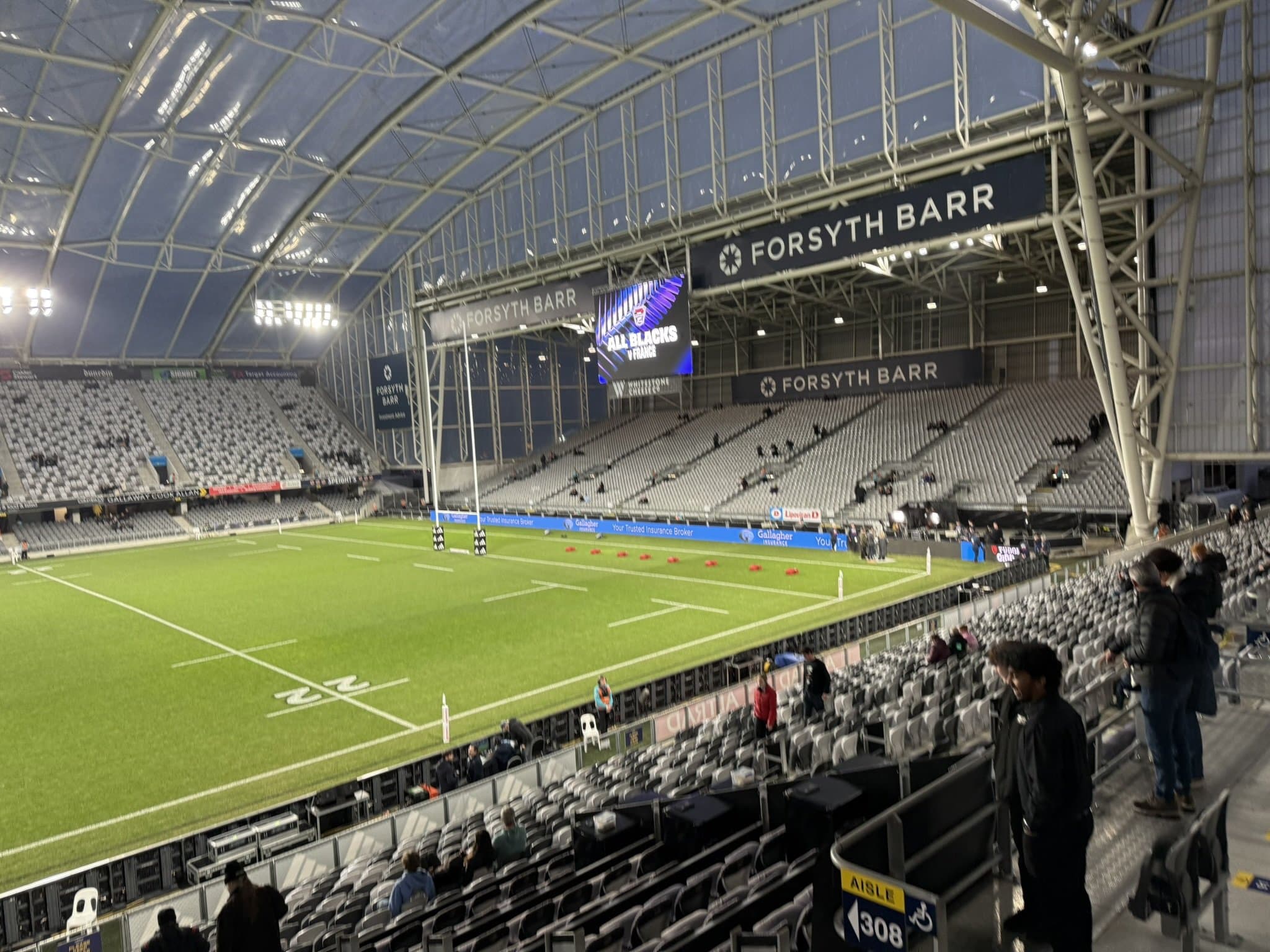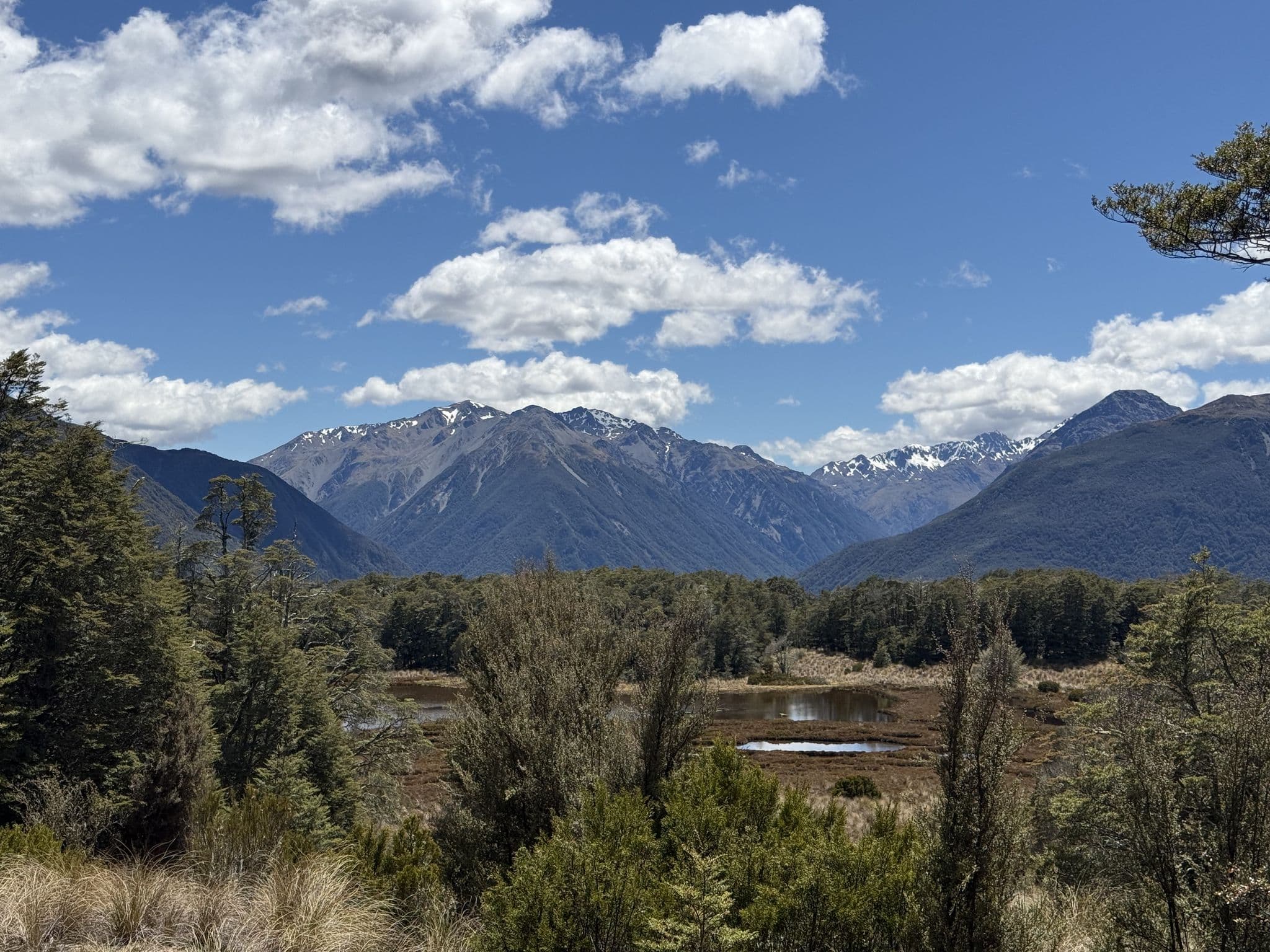
Summer
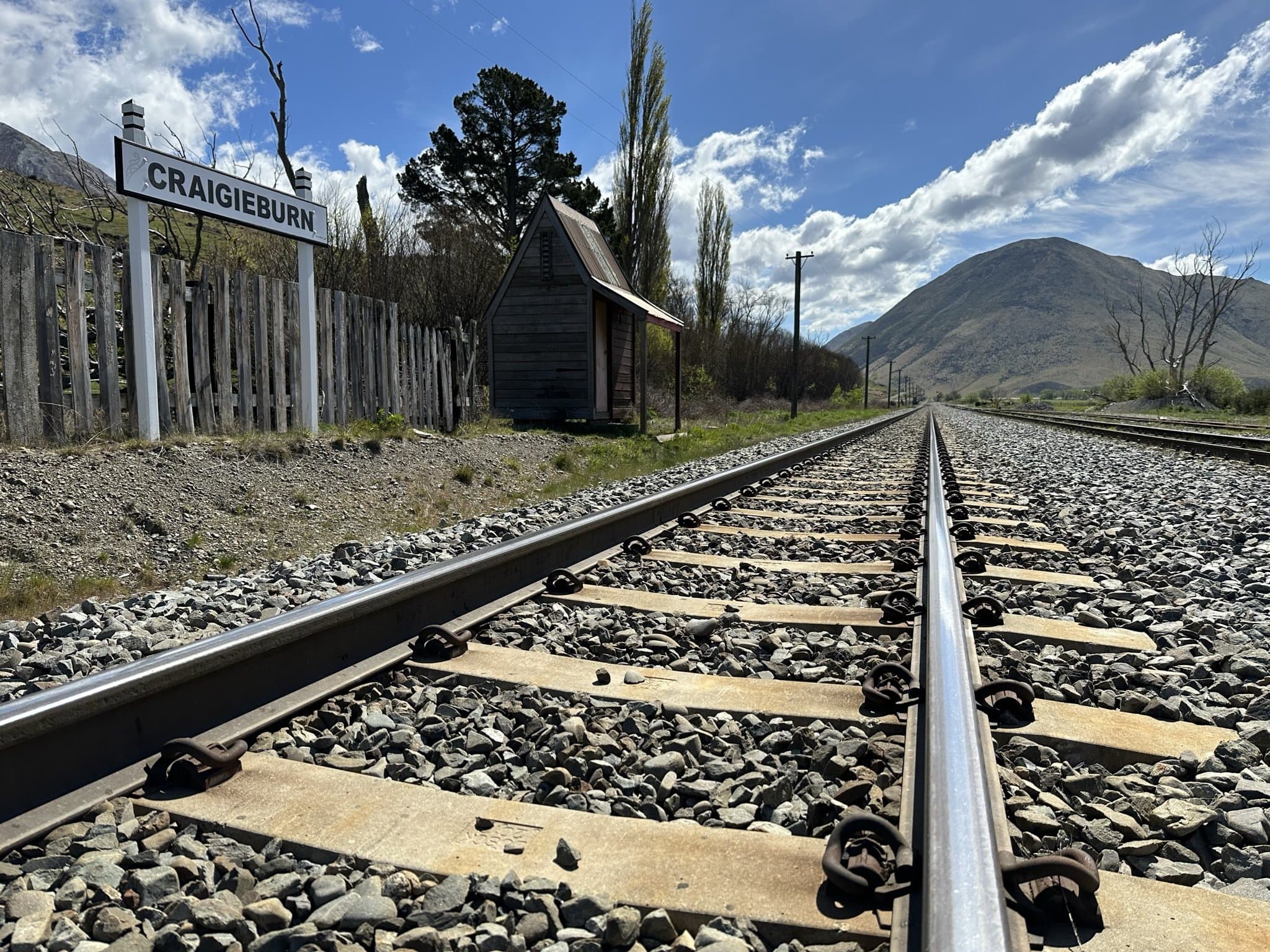
Best weather, longest days — and the busiest, priciest time.
- Best for
- Hiking and the Great Walks, beaches, the warmest swimming, and long daylight for driving.
- Watch out for
- Peak prices and crowds; accommodation books out, especially Christmas to mid-January. Book the Great Walks the moment reservations open.
Autumn
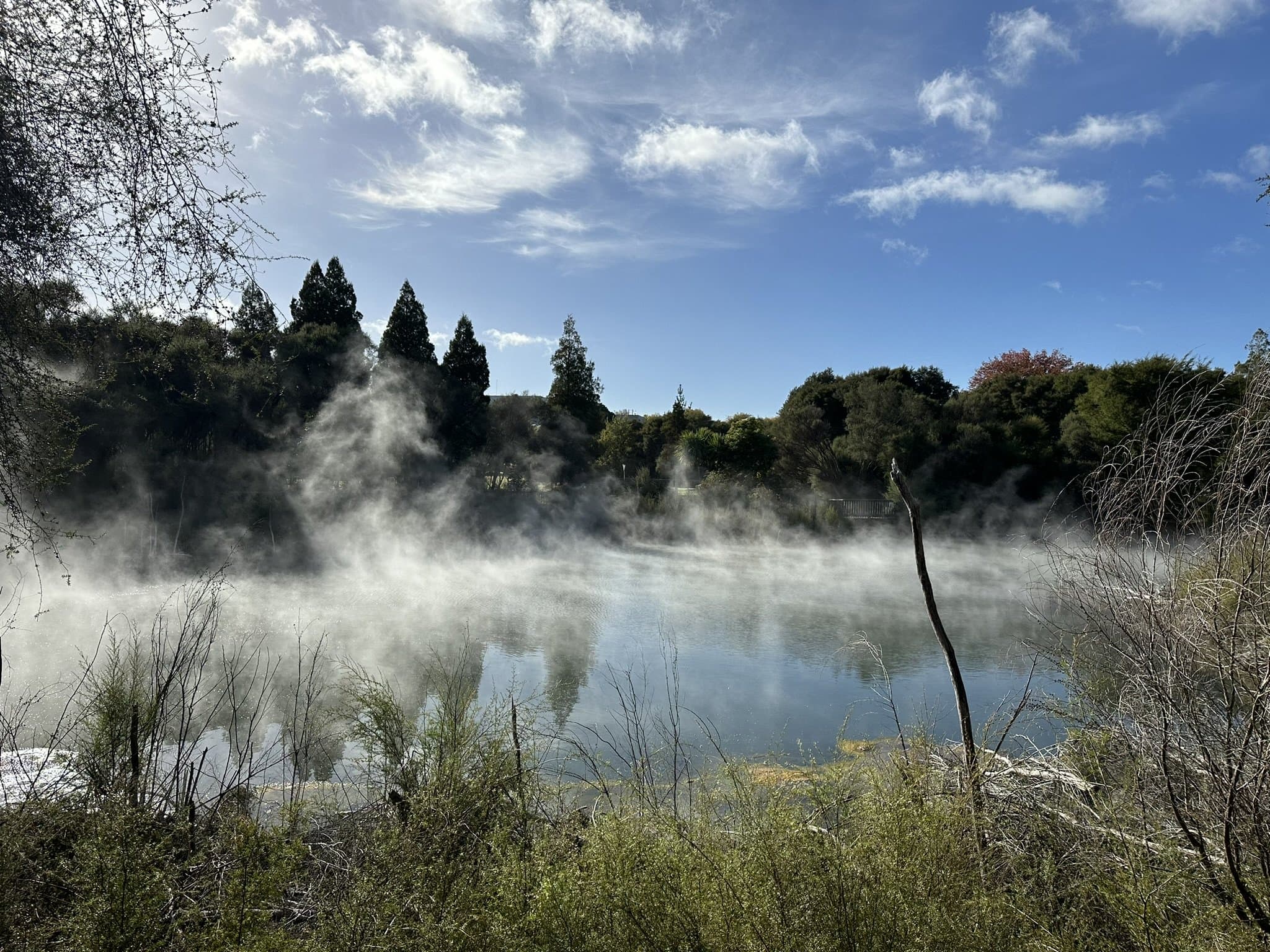
The quiet all-rounder — settled weather, fewer people, better value.
- Best for
- Central Otago gold (Arrowtown and Wanaka turn in late April–May), stable conditions, and shoulder-season prices.
- Watch out for
- Days shorten through May and alpine mornings get cold. Late autumn starts winding down some higher-altitude activities.
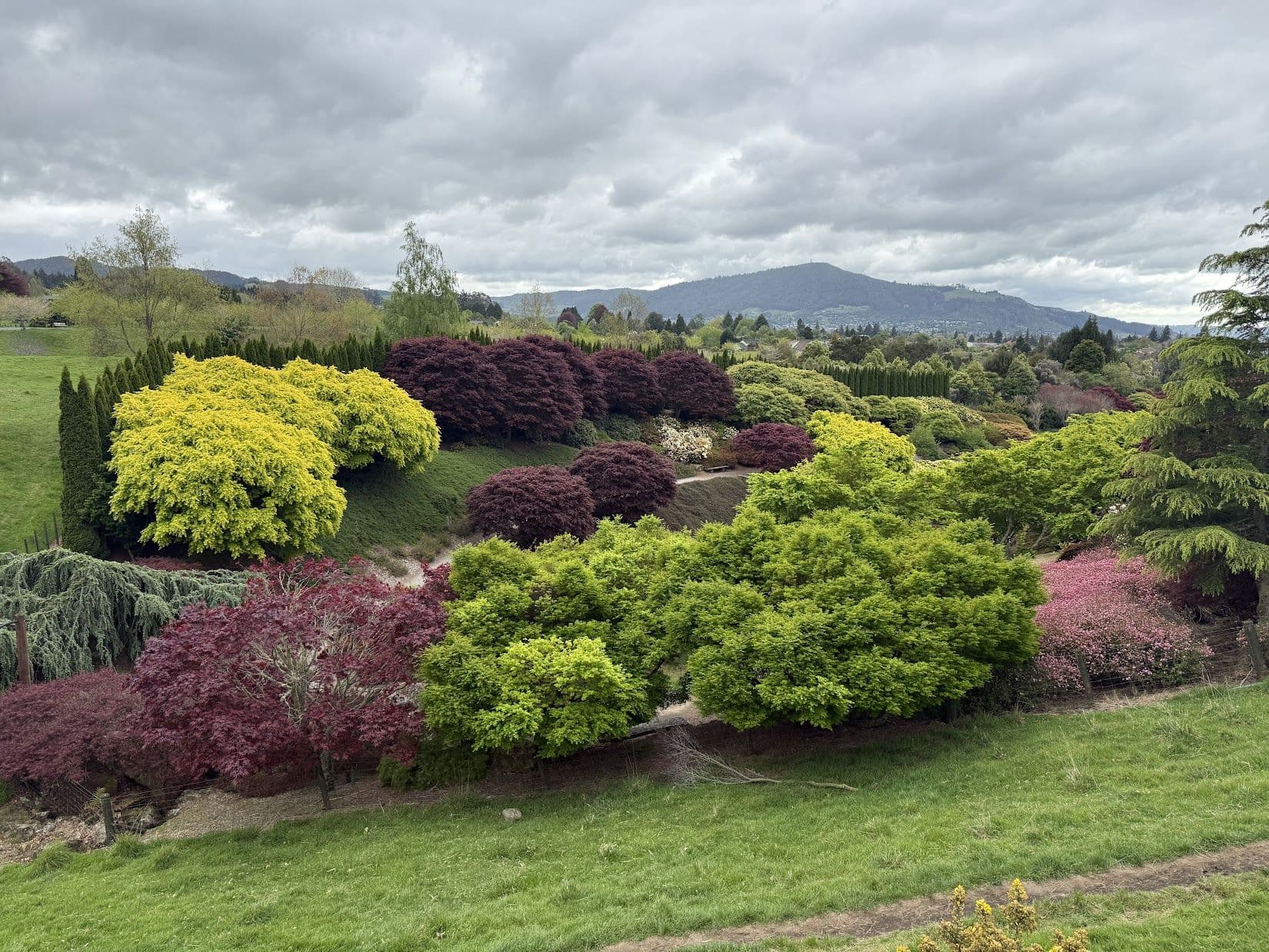
Winter
Ski season and big-sky quiet — but the country runs at half speed.
- Best for
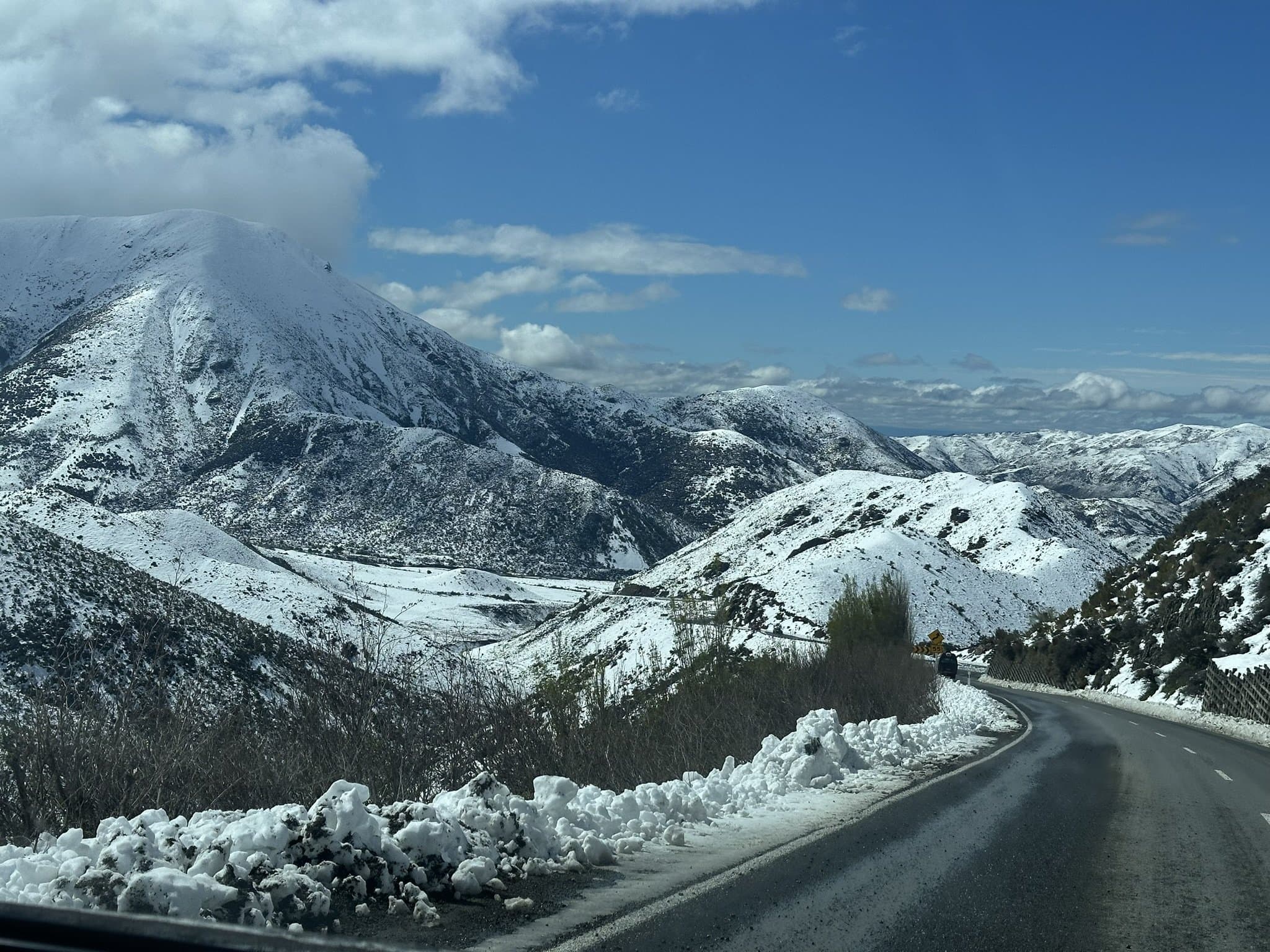
- Skiing and snowboarding around Queenstown and Wanaka, snow-capped scenery, the fewest tourists, and low prices outside the ski towns.
- Watch out for
- Short days (around nine hours of light). The West Coast’s SH6 sees snow and ice closures, the Cook Strait ferry is rougher and cancels more often, and many small-town tours run reduced schedules or close. Not the season for a packed multi-region road trip.
Spring
Waking up — green valleys, lambs, blossom, and changeable weather.
- Best for
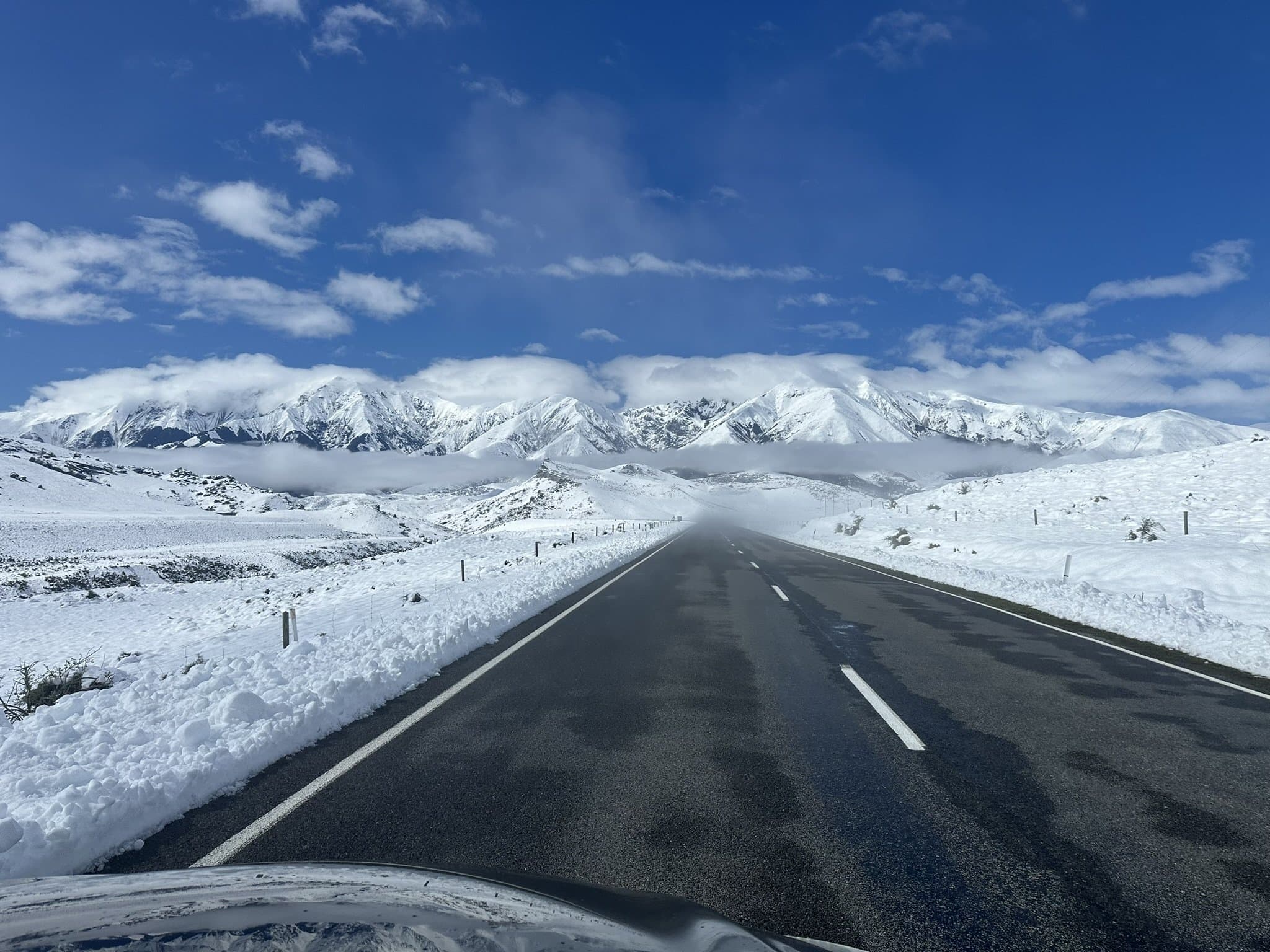
- Fresh snow still on the peaks above green valleys, fewer crowds, shoulder prices, and rivers full for rafting.
- Watch out for
- The most changeable weather of the year — pack for four seasons in a day. Some alpine tracks still hold snow into October.
Pick by what you want
- Skiing or snowboarding
- Great Walks, beaches, long days
- Autumn colour, settled weather, value
- Fewest crowds and lowest prices
- Not sure / a bit of everything
Whatever season you choose, your exact dates still matter — a single festival weekend can book out a whole town and spike prices. See NZ events & holidays that book out accommodation.
Common questions
- What is the cheapest time to visit New Zealand?
- The cheapest time is winter (June–August) outside the ski towns of Queenstown and Wanaka, followed by late autumn and late spring. Avoid the summer peak from Christmas to mid-January, when flights and accommodation are at their most expensive and book out earliest.
- Is summer or winter better for visiting New Zealand?
- Summer (December–February) is better for hiking, beaches, the Great Walks, and long daylight, but it is the busiest and priciest. Winter (June–August) is better for skiing and snow scenery around Queenstown and Wanaka, and for far fewer crowds. They suit opposite kinds of trip.
- When should you avoid visiting New Zealand?
- There is no bad time, but winter (June–August) is the hardest for a packed multi-region road trip: days are short (around nine hours of light), the West Coast's SH6 can close with snow and ice, the Cook Strait ferry cancels more often, and many small-town tours run reduced schedules.