The ways to get around
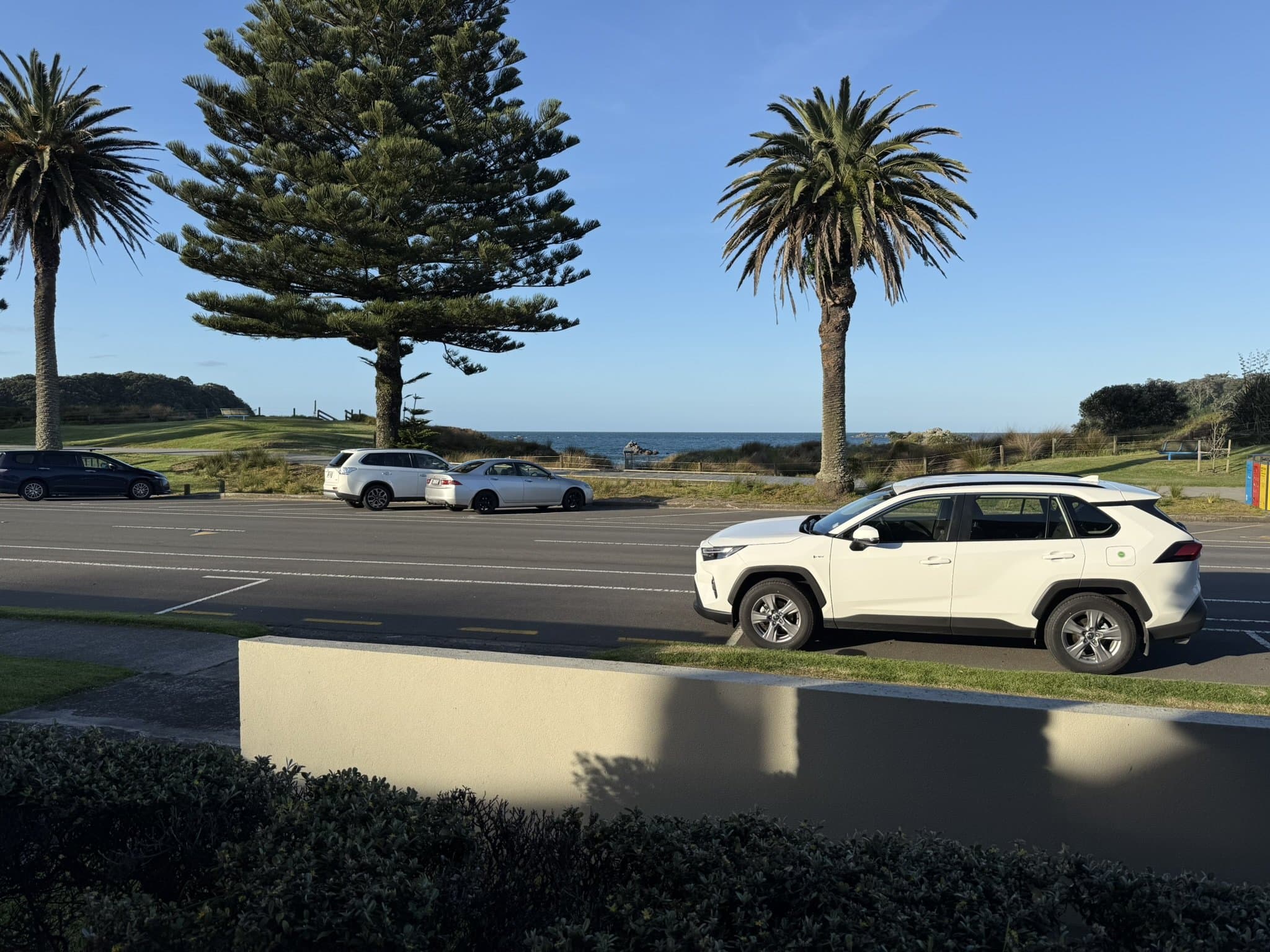
Rental car (self-drive)
- Best for
- The default for most visitors — full flexibility, and the only way to reach trailheads, small towns, and viewpoints on your own schedule.
- Watch out for
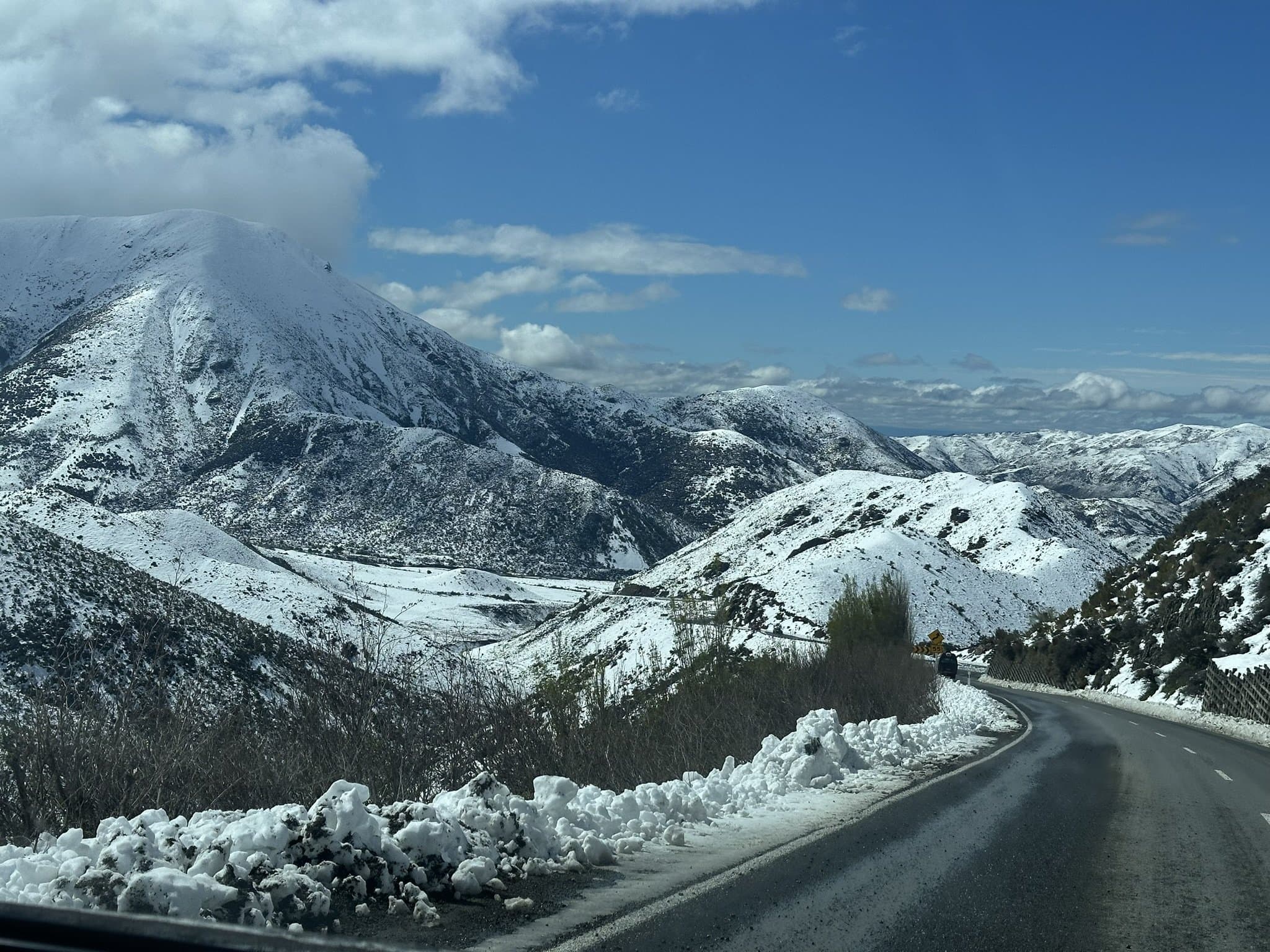
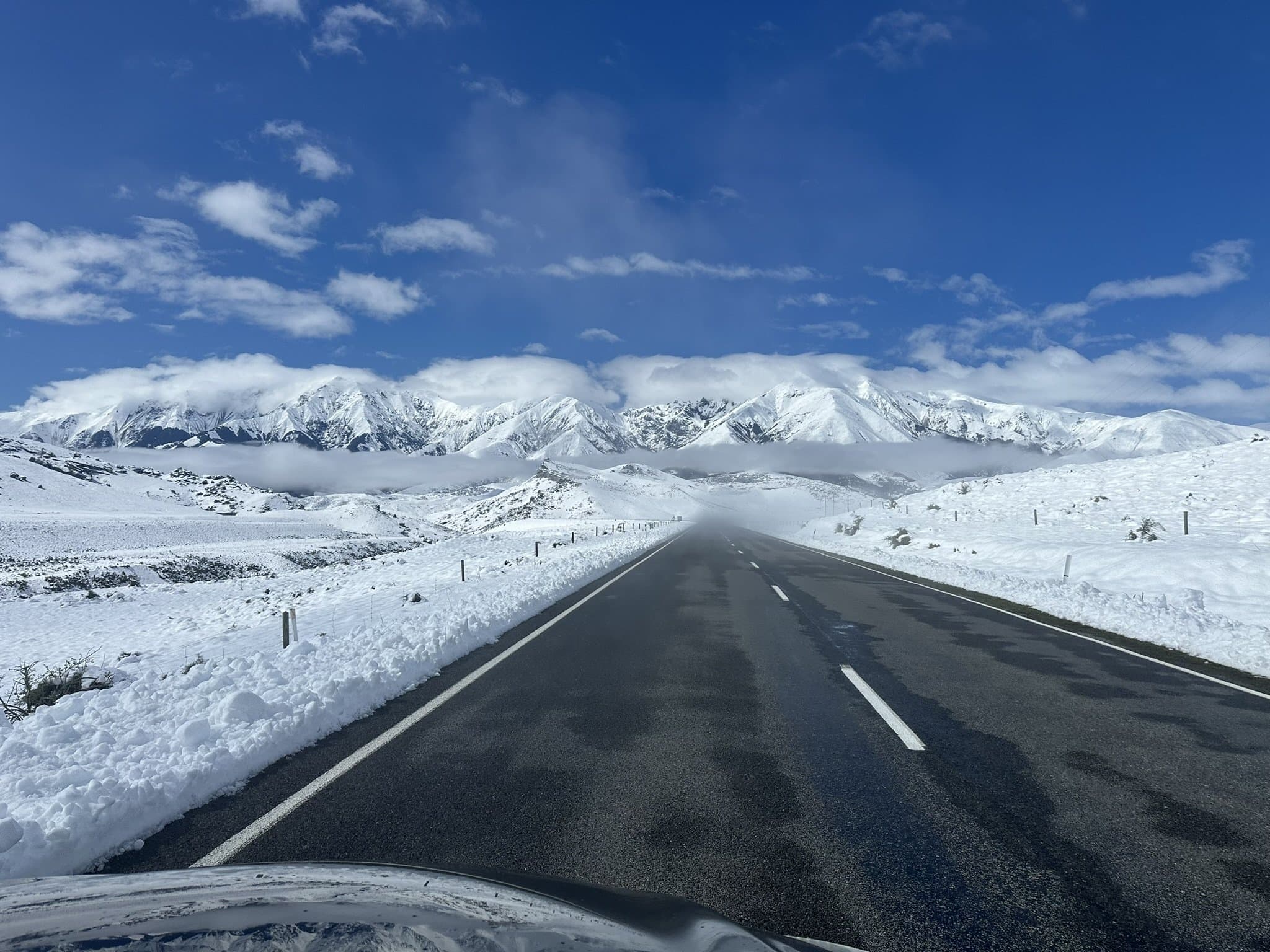
- You drive on the left, and outside the cities roads are winding two-lane highways. Budget by hours, not kilometres.
Campervan / motorhome
- Best for
- Combines transport and accommodation, and suits a flexible, scenery-first road trip.
- Watch out for
- Slower on hills and passes, thirsty on fuel, and freedom camping is restricted — book holiday parks ahead in peak season.
Domestic flights
- Best for
- Cheap and frequent on the long flat legs — Auckland–Queenstown, Auckland–Wellington — saving a whole driving day.
- Watch out for
- Book early for the best fares; Air New Zealand and Jetstar are the main carriers.
InterCity bus
- Best for
- The backbone of a car-free trip, linking most towns a visitor wants to reach.
- Watch out for
- Slow over distance (Nelson to Franz Josef is about ten hours), and West Coast services south of Greymouth thin out in winter.
Scenic trains
- Best for
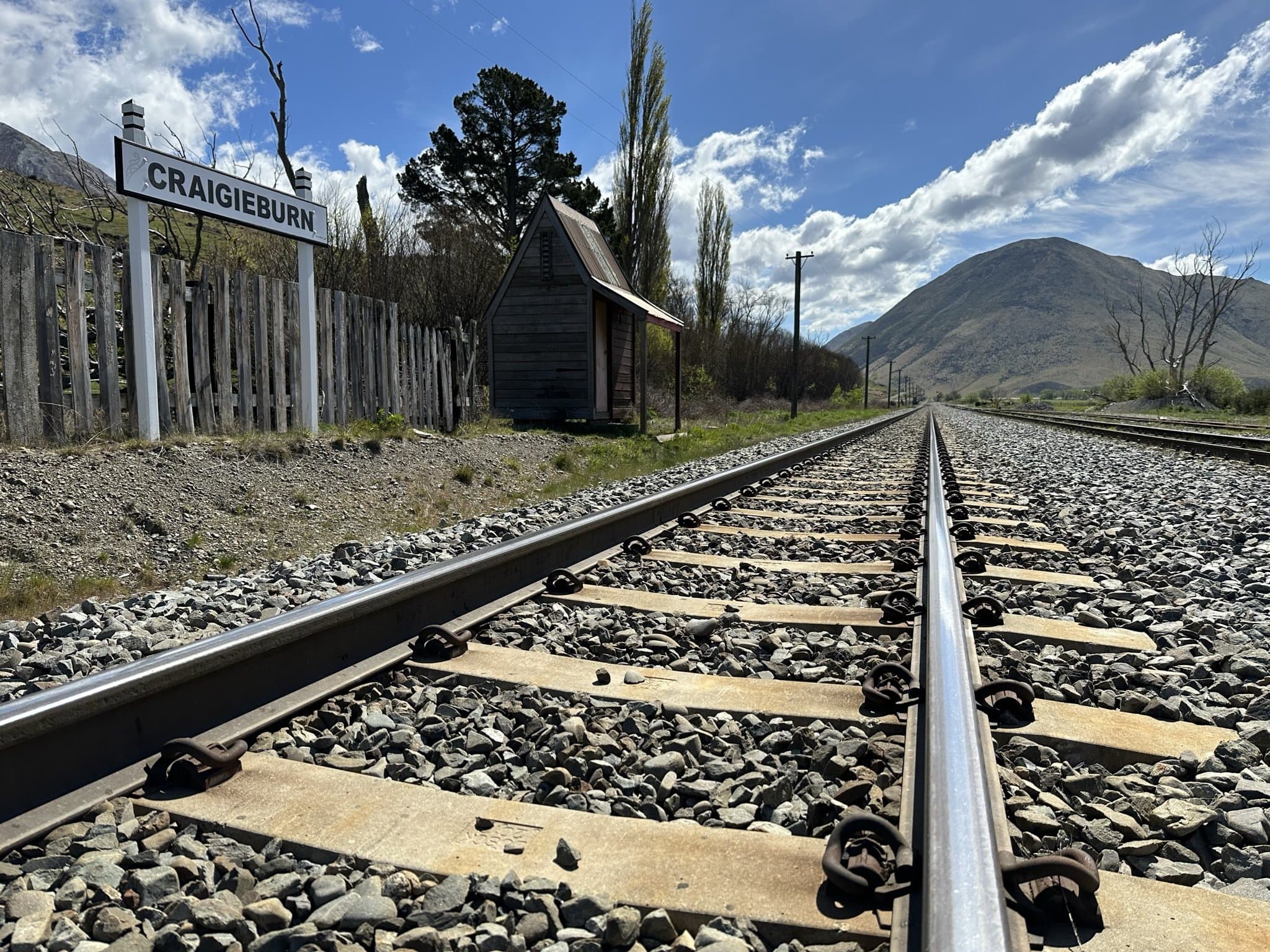
- Journeys in their own right — the Coastal Pacific (Picton–Christchurch) and the TranzAlpine across the Southern Alps.
- Watch out for
- Sightseeing routes, not a transport network, and seasonal — confirm winter dates before relying on one.
Getting between the North and South Islands
Cook Strait ferry
Interislander or Bluebridge, about three hours Wellington–Picton, and the only option if you're taking a rental car across. The fleet is ageing and sailings are prone to weather and mechanical cancellations, so leave a buffer and don't book a tight connection on either side.
Fly
Wellington–Christchurch is about 50 minutes and frequent — faster and more reliable than the ferry if you're a foot passenger with no car to move.
Swap cars at the strait
Many rental companies let you drop one car in Wellington and collect another in Picton, so you cross as a foot passenger — often cheaper than ferrying the car over.
Whichever way you travel, the distances are what visitors underestimate — see driving times in New Zealand.
Common questions
- Do you need a car to travel New Zealand?
- You don't strictly need one — InterCity buses and domestic flights connect the main stops — but self-driving is strongly recommended. Many of the best spots, from trailheads to small towns, simply aren't reachable on public transport.
- Is the Cook Strait ferry reliable?
- The ferries run an ageing fleet and are prone to weather and mechanical cancellations, so leave a buffer and avoid tight connections. If you have no car to move between islands, flying Wellington–Christchurch (about 50 minutes) is faster and more reliable.
- Should you fly or drive between Auckland and Queenstown?
- Fly. It's effectively a multi-day drive, while flights are cheap and frequent and save a whole day. The same goes for Auckland–Wellington — driving the long flat legs rarely pays off.
- Is a campervan a good way to see New Zealand?
- Yes, if you want flexibility and to combine transport with accommodation. Just expect slower going on hills and passes, plan fuel and dump stations, and book holiday parks ahead in peak season — freedom camping is restricted.